
For older adults living with chronic illness, the transition from hospital based care to home is one of the most vulnerable periods in the care journey. Whether recovering from surgery, managing cancer, or stabilizing a chronic condition, the days and weeks following discharge are when many ER visits occur. These visits are often preventable with the right level of skilled medical support in the home.
Senior home health care exists to meet this need. It provides physician ordered, skilled care delivered by licensed professionals, with a focus on prevention, monitoring, and recovery. For conditions ranging from chronic obstructive pulmonary disease (COPD) to congestive heart failure or acute myocardial infarction, home health care plays a proven role in reducing hospital readmissions and supporting safer outcomes for seniors.
The Focus on Preventing Hospital Readmissions
Reducing avoidable hospital returns has become a national priority. Programs such as the Hospital Readmissions Reduction Program were designed to address the high number of seniors returning to the hospital shortly after discharge. These programs recognize that what happens at home often determines whether recovery continues or setbacks occur.
Older adults are frequently discharged with new medications, follow up appointments, medical supplies, and strict guidelines to follow. Without skilled oversight, even a motivated person can struggle to manage these changes. Senior home health care helps bridge this gap by extending clinical care into the home at the right time.
What Senior Home Health Care Provides
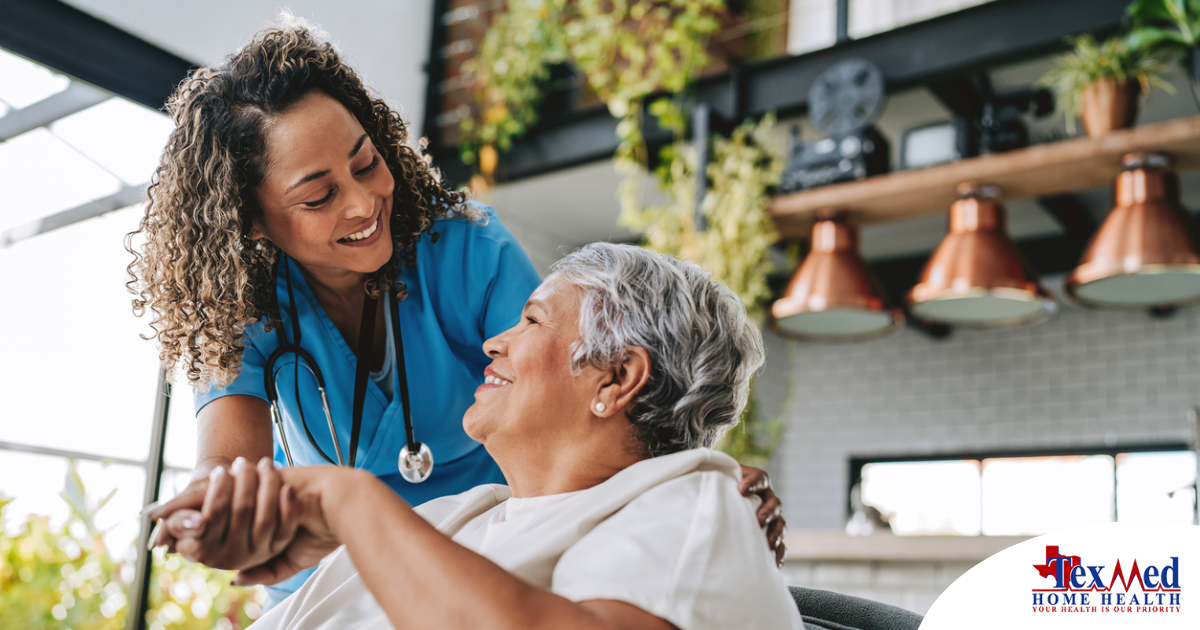
Senior home health care is medical care. Services are ordered by a doctor and may include skilled nursing, physical therapy, and ongoing clinical assessment. These services are often time limited and goal driven, focused on recovery, stabilization, or managing complex chronic conditions.
Clinicians assess vital signs, monitor weight, evaluate symptoms, manage wound care, and provide education to the patient and a family member or loved one. They also ensure follow up appointments are kept and that concerns are communicated promptly to the doctor. This level of care coordination is essential for preventing complications that lead to ER visits.
Chronic Conditions That Drive ER Visits
Many hospital readmissions stem from a chronic disease rather than new injury or illness. Conditions such as congestive heart failure, chronic obstructive pulmonary disease, and diabetes require ongoing monitoring and adjustment of treatment plans.
A small change in breathing, swelling, or weight can signal a serious problem. After an acute myocardial infarction or surgery, even minor setbacks can escalate quickly. Home health services allow skilled clinicians to identify issues early and respond immediately, often preventing the need for emergency care or transfer to other hospitals.
Cancer care also benefits from this model, particularly when treatment side effects affect strength, nutrition, or physical stability.
Managing Recovery After Surgery and Injury
The period after surgery is a common trigger for hospital readmissions. Pain, limited mobility, and confusion about instructions can all interfere with healing. Patients recovering from orthopedic surgery, cardiac procedures, or other interventions face increased fall risks and injury if support is inadequate.
Home health clinicians assess physical function, monitor progress, and ensure the home environment is safe. Physical therapy delivered in the home helps restore strength and control while reducing stress on the patient. This approach allows recovery to happen safely without repeated hospital visits.
Prevention is not passive. It requires active monitoring, patient education, and timely response. Seniors may be unable to recognize early warning signs or may hesitate to report symptoms. Skilled clinicians understand disease progression and know when changes require action.
Through regular visits and structured programs of care, senior home health care provides oversight that supports recovery and stability. This includes medication management, reinforcing guidelines, and adjusting care plans as conditions evolve.
The Role of Care Coordination
Care coordination is central to effective home health care. Clinicians communicate with doctors, hospitals, and outpatient providers to ensure continuity of care. This coordination reduces conflicting instructions, missed appointments, and gaps in treatment.
For seniors transitioning from one setting to another, such as from hospital to home, this coordination helps prevent duplication of services and other costs associated with poor communication.
The Human Impact
Beyond clinical outcomes, home health care offers something equally important, hope. Remaining at home during recovery gives seniors a sense of control and dignity. It reduces stress and allows healing to happen in a familiar environment.
For a person managing chronic illness, the reassurance of skilled support can make the difference between confidence and fear. Families can benefit from clear communication and a consistent message about what to expect during recovery.
Where Home Care Services Fit In
Home care does not provide medical treatment. It is not a replacement for home health care.
Home care services support daily tasks that help seniors follow medical instructions between skilled visits. This may include assistance with meals, mobility, personal care, and maintaining a consistent schedule. By supporting routines, home care helps reinforce the work of skilled clinicians and prescribed treatment plans.
This complementary relationship helps extend the benefits of home health services and further reduces the risk of ER visits. What happens during the rest of the week matters just as much. Adherence to instructions, safe movement, proper nutrition, and rest all influence outcomes.
Supportive non-medical services help maintain the environment that allows healing to continue. Together, these approaches support long term progress and stability.
Looking Ahead: The Future of Senior Care at Home
As healthcare systems look for better outcomes and sustainable models, senior home health care continues to prove its value. It reduces hospital use, supports recovery, and improves quality of life for aging adults.
Understanding the distinct but complementary roles of medical home health care and non medical support prepares caregivers and professionals to deliver care more effectively and at the right time.
Supporting Seniors at Home With TexMed Home Health & Personal Care
At TexMed Home Health & Personal Care, we provide non medical home care services that support aging adults and complement senior home health care. While we do not provide medical treatment, our caregivers assist with daily tasks and routines that help seniors follow their care plans safely at home. The services include Companionship Care, Household Duties, Meal Planning, Medication Supervision, Intravenous Therapy, Occupational Therapy, Physical Therapy, Skilled Nursing, and Speech Therapy.
If you are interested in supporting seniors and their loved ones in Killeen, Copperas Cove, and Temple, we invite you to learn more about opportunities with our team.